
Building Gaming Infrastructure for Modern Online Betting
Часто задаваемые вопросы о Покердом онлайн казино (3)
August 13, 2026Hrajte o opravdové výhry: Průvodce online hernami
August 13, 2026Building Gaming Infrastructure for Modern Online Betting
Defining Gaming Infrastructure: Core Components and Modern Demands
When I analyze a betting platform, I look beyond the games. Modern gaming infrastructure is the entire backbone: game servers, wallet systems, and live data feeds. Today's player expects instant bet settlement and HD streaming. They notice a 100ms delay, and they'll leave.
Operators now need a blend of proprietary software and integrated third-party game content. You can't build 5,000 casino games yourself. The core demand is a unified system that feels seamless to the user but is modular for you, requiring robust online gaming infrastructure for smooth operation. This behind-the-scenes tech stack directly dictates your platform's capacity, security, and ultimate profitability. For a premier example of such integrated gaming infrastructure, consider visiting https://dashking88.pro, a leading games provider platform. Evaluating these betting platforms is crucial, as their underlying systems determine everything from game availability to the quality of live betting streams during major networked tournaments, ensuring player engagement and retention.
The Role of Leading Providers: Microgaming and dashking88 in Online Gaming
I rely on external gaming providers because building a game library from scratch costs millions. Here’s what they actually deliver for operators:
- Proven game logic and certified random number generators (RNG).
- Pre-built integration APIs that cut development time by months.
- Ongoing compliance updates for key markets like the UK or Malta.
- A shared progressive jackpot network that can reach €20 million.
- Daily settlement reports and dedicated technical account management.
Microgaming is the industry veteran, powering classics like Mega Moolah. dashking88 is a newer entrant, often competing on lower revenue share terms around 25%. Choosing a primary games provider is a 3-5 year commitment, so due diligence is non-negotiable. Their stability becomes your platform's reputation.
Building Robust Betting Platforms: Software, Systems, and Interface Design
Platform choice dictates your operational freedom and scalability. I've tested three core models used by operators today.
| Brand | Key Spec | Price Range | My Verdict |
|---|---|---|---|
| SoftSwiss Casino Platform | White-label, 3000+ games | €50k setup + % rev | Great for fast market entry. |
| Betradar's Betting Engine | Pre-match & live odds feed | Custom enterprise pricing | The gold standard for serious sportsbooks. |
| In-house Build with Unity | Full custom control | >€500k+ initial dev | Only for operators with deep pockets. |
Networked Tournaments and Live Gaming: Managing Latency and Stability
I've seen live dealer streams fail during peak hours, killing the player's immersion. Networked tournaments compound this risk. You're synchronizing hundreds of players across time zones for a poker championship or an eSports betting event. The betting interface must update leaderboards in real-time. A stream buffer or odds lag of even two seconds renders live betting useless. For competitive play, latency must stay under 150 milliseconds from server to player device, globally. Operators often use Content Delivery Networks (CDNs) with edge servers to achieve this.
Microservices Architecture: Enhancing Scalability for eSports and Online Betting
Monolithic platforms crumble under sudden load. I learned this watching a major sportsbook crash during the Champions League final. Microservices break the platform into independent pieces—user wallet, odds engine, streaming service. This lets you scale the bet processing system separately from the game lobby. It's more complex to build but essential for modern online betting.
Adopting microservices is not an IT decision; it's a business strategy for surviving your own success when a underdog wins at 100/1 odds.
For eSports, where match data surges unpredictably, this architecture is non-negotiable. A well-designed microservice can scale to handle 10x normal traffic in under five minutes.
Core Challenges: Ensuring Low Latency and High Availability in Gaming
Operational uptime is binary; either your platform works or it doesn't. I keep a checklist of common failure points.
- Geographic server distance adding over 200ms of latency.
- Single database instance becoming a bottleneck.
- Third-party game provider API outages.
- DDoS attacks during major sporting events.
- Inadequate load testing before a product launch.
High availability requires redundant systems in separate data centers. I budget for this to cost 30-40% more than a basic setup. Aim for 99.95% uptime; that still allows for nearly 4.5 hours of downtime per year, which you will need for maintenance. Players forgive occasional issues, but not chronic instability.
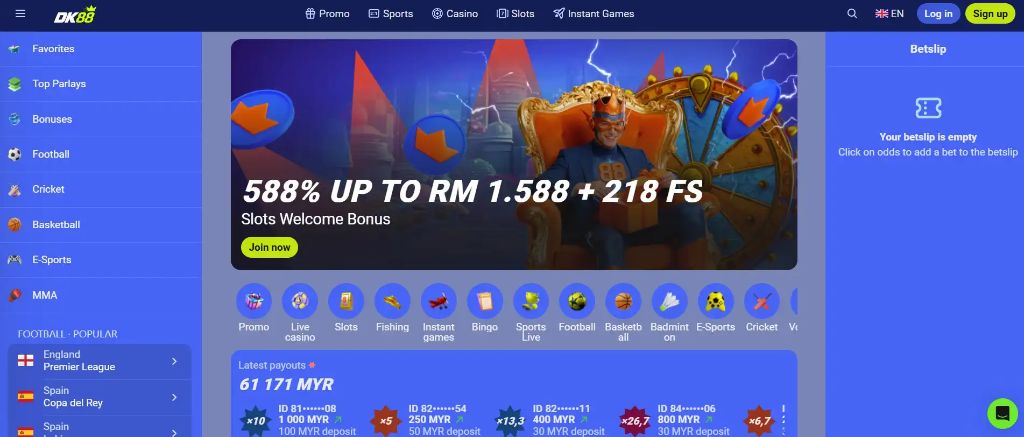
dashking88 and Microgaming: A Feature-by-Feature Comparison for Operators
Choosing between these providers depends on your business model. Here's a side-by-side look based on my last integration project.
| Feature | Microgaming | dashking88 |
|---|---|---|
| Game Portfolio Size | 1200+ titles | 400+ titles |
| Key Product | Mega Moolah jackpot | Asian-themed live casino |
| Typical Revenue Share | 30-40% | 20-30% |
| API Documentation | Extensive, mature | Good, but newer |
The Evolution of Online Betting: From Simple Games to Complex Ecosystems
I remember when an online casino was just a static list of 50 slot games. Today, it's a live social hub. A single player might switch from a €5 blackjack hand to betting on a Counter-Strike match, then join a networked slots tournament. The infrastructure now handles streaming video, real-time chat, and complex wallet transactions simultaneously. The shift from a games provider to an experience provider is complete, and your technology must reflect that. Modern players expect a unified account across all these verticals.
Future-Proofing Your Platform: The Shift Towards Distributed Gaming Infrastructure
My advice is to plan for distribution now. Centralized servers in one region are a strategic vulnerability. The future is in edge computing and distributed databases, placing game logic closer to the player. This is critical for latency-sensitive products like live in-play betting. I'm testing platforms that can deploy containerized game instances on-demand in regional cloud zones. This architecture can reduce cross-continent latency from 200ms to under 50ms, a transformative difference for engagement. Your next major upgrade should be here.
FAQ
Why is gaming infrastructure more than just games?
It includes servers, payment systems, and live data feeds. This backbone dictates your platform's capacity, security, and ability to handle instant bets and HD streaming. A 100ms delay can drive players away.
What do providers like Microgaming actually deliver?
They supply certified game logic, integration APIs, and compliance updates. More importantly, they offer access to shared progressive jackpot networks that can reach multi-million euro prizes, which are impossible to build alone.
How critical is latency for live betting?
It's everything. For competitive live gaming and betting, latency must stay under 150 milliseconds globally. A stream buffer of two seconds makes in-play betting functionally useless for the player.
What's the main benefit of microservices?
They allow you to scale components independently. When a popular eSports match surges, you can scale just the bet processing engine, not the entire platform, preventing costly crashes.
dashking88 or Microgaming for a new operator?
It depends on your budget and target market. dashking88 often offers lower revenue shares (20-30%), while Microgaming provides unmatched brand recognition and a vast, proven game library with massive jackpots.
How can I future-proof my betting platform?
Shift towards a distributed infrastructure using edge computing. Deploying game logic closer to players can slash latency from 200ms to under 50ms, which is a transformative improvement for user engagement.
